Introduction
Dance is an art type that goes beyond obstacles, unifies neighborhoods, and ruptureds with the vigor of human expression. Whether you're a budding dancer entering a dance studio for the first time or a skilled entertainer looking to fine-tune your craft, understanding dance studio rules is crucial for making certain a favorable experience. This substantial overview titled From Beginner to Expert: Browsing Dance Studio Rules for an Unified Experience will certainly take you via every aspect of dance studio habits, supplying insights that will certainly elevate your experience and foster stronger relationships within the dance community.
Understanding Dance Studio Etiquette
What is Dance Studio Etiquette?
Dance workshop etiquette describes the collection of unwritten rules and social norms that govern behavior in a dance class setting. Just like any kind of other imaginative setting, respecting these standards can enhance not only your knowing experience but also that of your peers.
Why is Dance Studio Etiquette Important?
Adhering to correct rules aids create an ambience of respect, emphasis, and collaboration. It cultivates a feeling of area and allows dancers to sustain each other in their growth while reducing disturbances during class.
From Newbie to Expert: The Significance of First Impressions
Preparing for Your Initial Class
Walking right into a dance studio for the first time can be nerve-wracking. To make an unforgettable first impression:
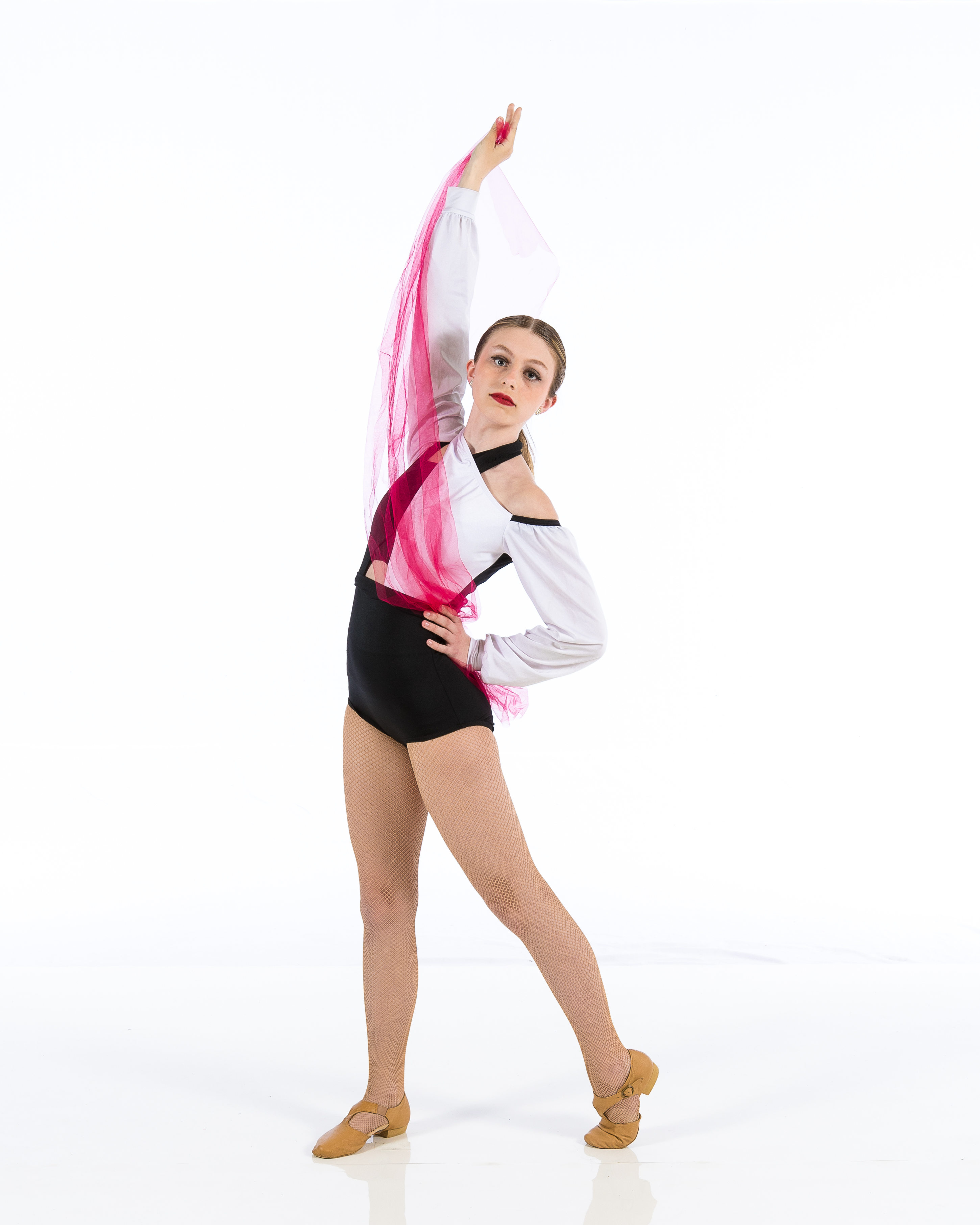
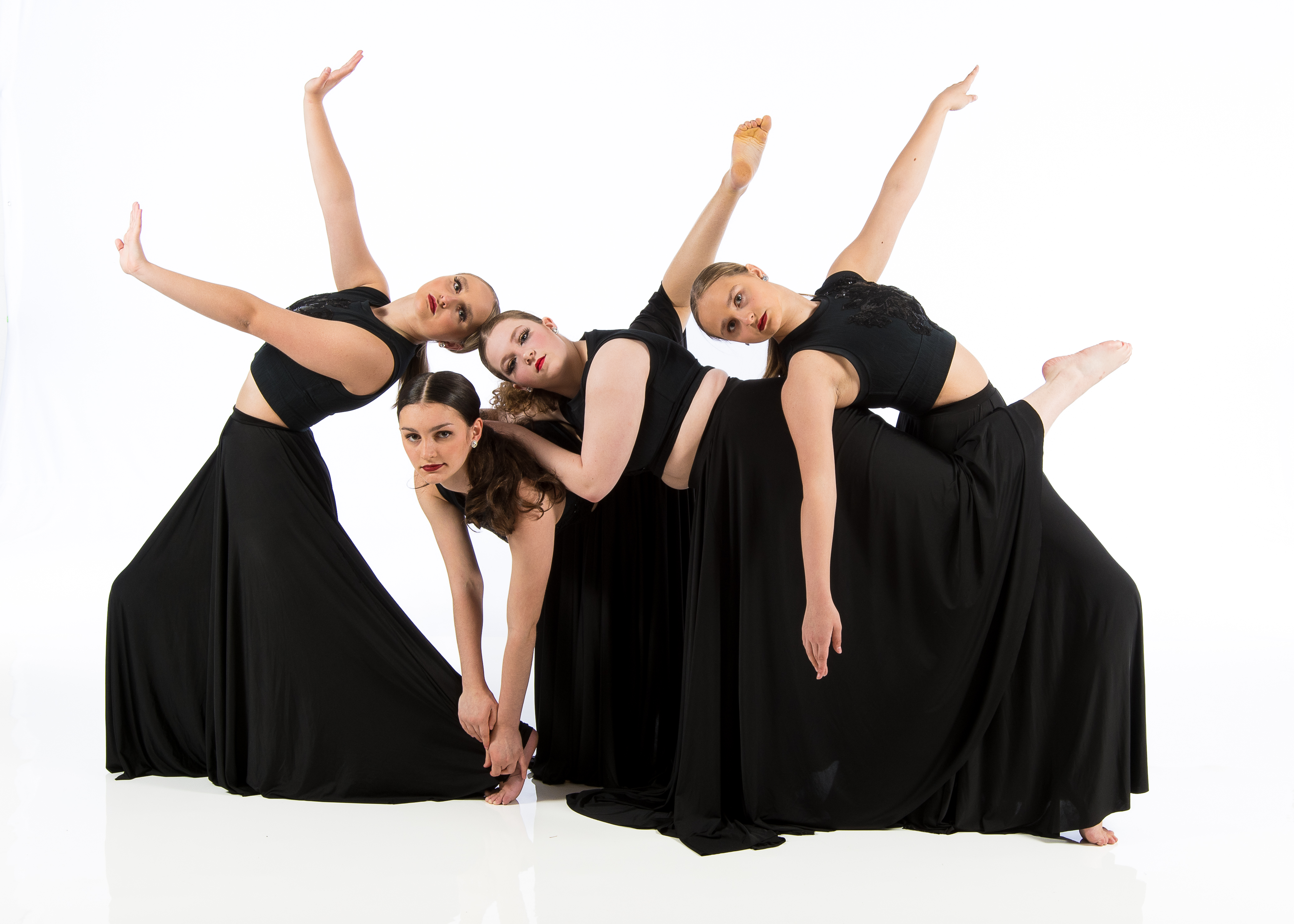
- Dress properly: Use comfortable clothes ideal for the sort of dancing you're studying. Arrive early: Aim to get to least 10-- 15 minutes before class starts. This offers you time to check in, heat up, and work out in.
Greeting Your Instructor
A friendly greeting collections the tone for your experience. Always present on your own if it's your fabulous! A basic "Hello" or "Greetings" can go a long method in establishing rapport.
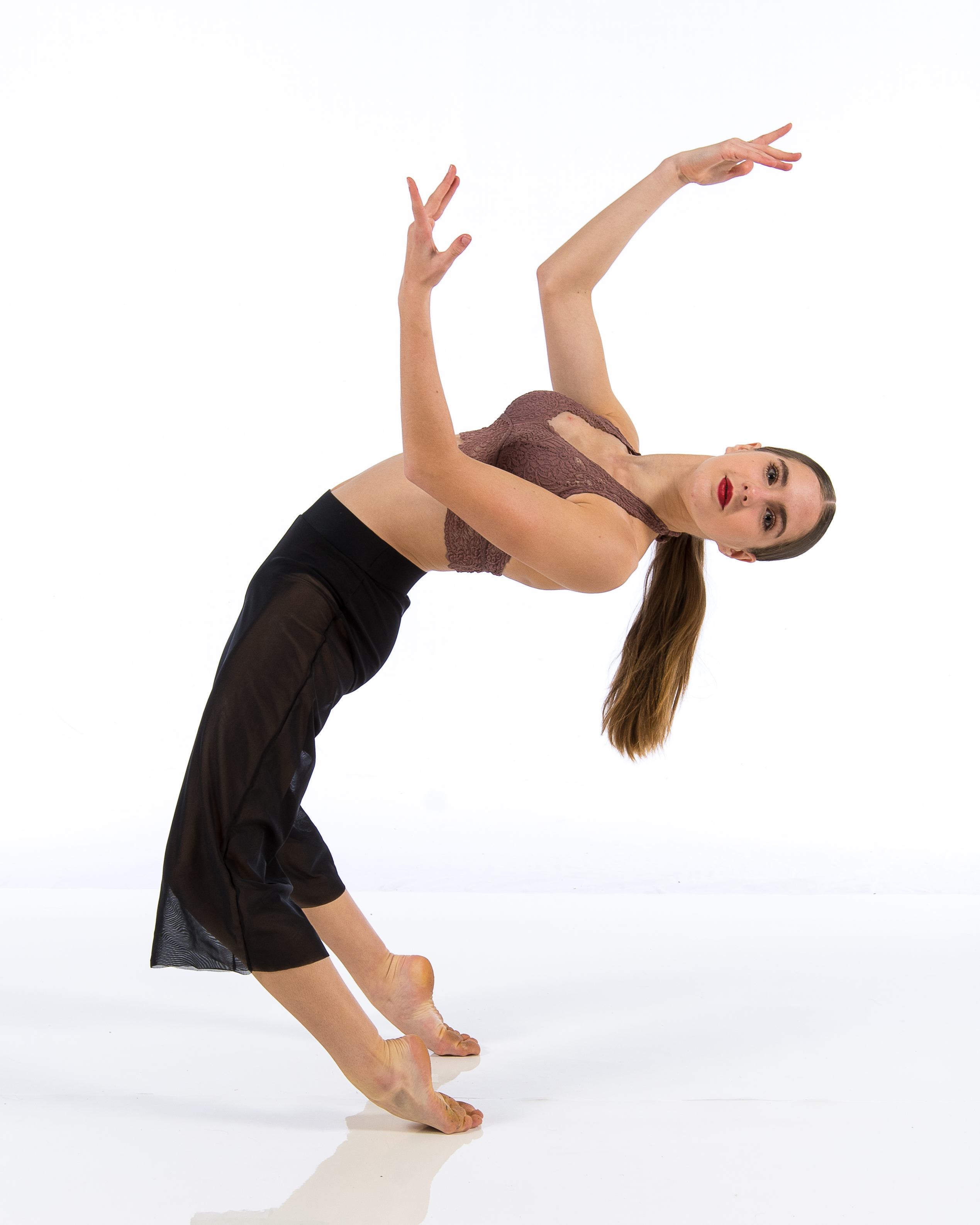
Classroom Conduct: The Do's and Do n'tshtmlplcehlder 46end.
Do's: Favorable Behaviors
Be Respectful: Regard everyone's individual room-- particularly when practicing moves. Listen Actively: Show listening when trainers are speaking; it shows you value their guidance. Support Your Peers: Urge fellow dancers; positivity types encouragement.Don'ts: Unfavorable Behaviors
Avoid Interruptions: Keep individual conversations outside the classroom. Don't Usage Your Phone: Silence your phone during class; it's disruptive. Refrain from Interrupting: Wait up until the teacher coatings before asking questions.The Duty of Individual Area in Dancing Studios
Understanding Boundaries
Personal area varies from person to person, especially in a dance setup where physical closeness is frequently required during practice routines.
Communicating Convenience Levels
If you really feel unpleasant with just how close an additional dancer is obtaining throughout partnered exercises or developments, it's crucial to connect this pleasantly and professionally.
Maintaining Expertise: Outfit Code and Grooming
Importance of Correct Attire
Each dance design typically has its very own gown code-- whether it be leotards for ballet or baggy clothes for hip-hop classes-- sticking to these requirements demonstrates regard for both your craft and your instructor.
Personal Health Matters
Dancing needs physical exertion, which can cause perspiration. Guarantee you maintain great hygiene by bathing before class and putting on tidy attire.
Behavior Throughout Class: Focusing on Learning
Engaging with Instruction
It's important to stay focused during demos. Rather than merely enjoying, proactively engage by picturing exactly how you would perform each movement.
Asking Inquiries Appropriately
Curiosity improves finding out! If something isn't clear, feel free to ask concerns-- yet guarantee they matter and postured at ideal times (preferably after directions).
Feedback: Accepting Positive Criticism
Accepting Responses Gracefully
Constructive objection is component growth in any art kind. Embrace feedback with an open mind and prevent ending up being defensive; bear in mind that review intends to aid improve your skills!
Offering Responses Thoughtfully
When providing comments to peers, ensure it's useful rather than crucial; concentrate on what they succeeded along with areas for improvement.
Creating Harmony Via Teamwork
The Value of Group Spirit
In many dance designs, teamwork plays a crucial duty; establishing sociability with fellow dancers results in enhanced performances.
Collaborating Throughout Team Exercises
When associated with team projects or choreography methods, urge creative thinking by respecting everyone's concepts while also contributing your own constructively.
Handling Disputes Gracefully
Addressing Differences Maturely
Conflict may arise as a result of misunderstandings or varying point of views on choreography options. Take on these issues privately as opposed to openly airing complaints which might disrupt class harmony.
Seeking Mediation When Necessary
If disputes intensify past personal resolution initiatives-- seek guidance from trainers that can mediate successfully based upon their experience dealing with similar situations.
Post-Class Etiquette: Leaving on a Great Note
Thanking Teachers After Class
Always reveal thankfulness towards your instructor after lessons; this reinforces positive partnerships while acknowledging their hard work!
Keeping the Workshop Clean
Whether it's picking up water bottles or neatly arranging props post-class-- preserving cleanliness lionizes for shared rooms used by all dancers!
Engaging Beyond Class Time: Structure Area Relationships
Joining Social Events
Participate in social events organized by workshops such as showcases or open residences-- these gatherings offer opportunities for networking while boosting neighborhood https://678b627a59dcf.site123.me connections outside structured lessons!
Supporting Other Dancers' Performances
Attending peers' efficiencies demonstrates solidarity within the dancing area-- it motivates interaction past plain attendance at classes!
Frequently Asked Questions (FAQs)
1. What should I use for my very first dance class?
Pick comfy outfit suitable for the certain style you're taking (e.g., leotards for ballet). Constantly ask about gown codes beforehand!
2. Is it okay to speak during class?
It's best technique not to participate in side conversations throughout guideline as this distracts both trainers & & fellow students alike!
3. Exactly how do I manage feeling overwhelmed?
Take deep breaths & & advise yourself that every professional dancer began somewhere! Communicate any type of deal with teachers who may give added support if needed!
4. Suppose I disagree with choreography choices?
Express problems respectfully either privately or within designated feedback sessions as opposed to freely critiquing during practice sessions; maintaining professionalism helps settle disputes amicably!
5. Ought to I bring water right into the studio?
Definitely! Remaining hydrated improves performance levels; just guarantee containers are securely closed so spills do not occur on floors where others are dancing!
6. Exactly how crucial is punctuality?
Punctuality is critical as arriving late interferes with focus levels while triggering disturbances; purpose constantly show up early adequate enabling time workout properly before courses commence!
Conclusion
Navigating through a dance studio setting can appear daunting at first glimpse but understanding correct decorum ultimately transforms one's journey from newbie standing toward experienced degree artistry! By sticking very closely established behaviors outlined throughout this overview labelled From Beginner To Expert: Browsing Dance Studio Decorum For A Harmonious Experience *, you'll grow invaluable relationships within neighborhoods enriched imagination while refining technical expertise alongside respected mentors! So lace up those footwear with confidence tip onto that flooring-- the globe awaits your one-of-a-kind expression via movement!